Introduction
In the world of search engine optimization, managing website URLs properly is extremely important. One of the most powerful technical SEO practices is Redirection in SEO. Whether you migrate a website, delete pages, fix broken links, or change domain names, redirection ensures users and search engines land on the correct page.
If redirections are not implemented correctly, your website may lose rankings, traffic, and authority. That’s why understanding website redirection is essential for every website owner, SEO professional, and digital marketer.
In this detailed guide, you will learn everything — from how to define redirect to types, benefits, SEO impact, mistakes, and setup process.
What Is a Redirection?
Let’s start with the basics.
Define Redirection
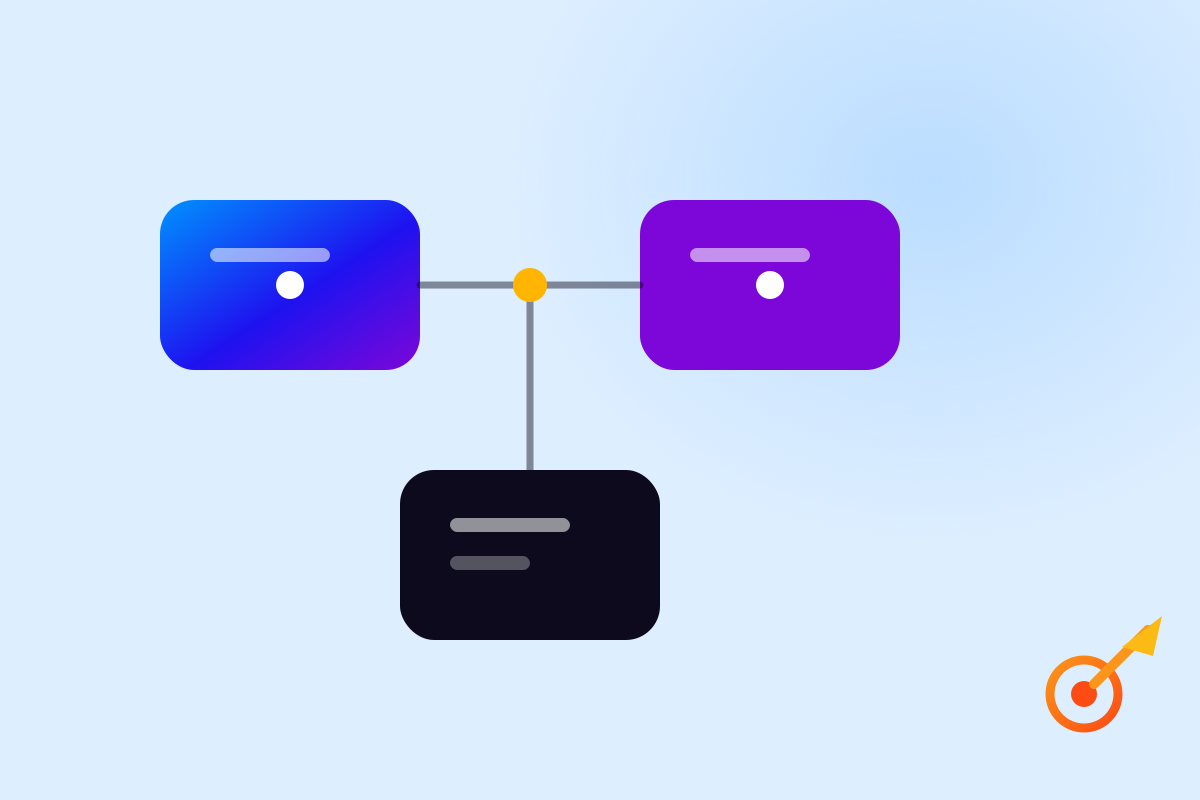
To define redirection, it is a process that automatically sends users and search engines from one URL to another URL.
In simple words:
When someone tries to open an old or incorrect page, they are automatically taken to a new or correct page. This process is called url redirection.
Redirects Meaning
The redirects meaning in SEO refers to forwarding one web address to another so that visitors do not see errors and can access the right content.
Example:
- Old URL: www.example.com/old-page
- New URL: www.example.com/new-page
When users open the old page, the url redirect sends them to the new page.
This is also called:
- Link redirect
- Website redirect
- Redirection of website
How Redirection Works
Understanding how url redirections work is important for technical SEO.
Here is the simple process:
- User clicks a link or enters a URL.
- Browser sends a request to the server.
- Server checks if a redirect is applied.
- If yes, server sends a redirect status code.
- Browser automatically opens the new URL.
So instead of showing an error page, the system performs a redirect url action and takes the visitor to the right destination.
Why Redirection Matters in SEO
Redirection in SEO plays a major role in maintaining rankings and user experience.
1. Prevents Broken Links= When pages are deleted, users may see 404 errors. A link redirect ensures they reach a relevant page instead.
2. Preserves SEO Value= Backlinks pointing to old pages still pass value if proper website redirection is applied.
3. Improves User Experience= Visitors don’t like error pages. A smooth redirect website process keeps navigation seamless.
4. Helps During Website Migration= If you change domain or CMS, redirection of website ensures traffic is not lost.
5. Consolidates Duplicate URLs= Multiple versions of a page can be merged using url redirection.
When to Use a Redirection
You should apply website redirect in many SEO and website management situations.
Common Use Cases
1. Website Migration= When you redirect site from HTTP to HTTPS or change domain.
2. URL Structure Change= If you update permalink structure, apply url redirect to old URLs.
3. Deleted Pages= Redirect removed content to relevant alternatives.
4. Canonicalization= Redirect duplicate versions:
- example.com
- www.example.com
5. Merging Content= Combine multiple posts into one and use link redirect.
6. Rebranding= When brand name changes, redirect website to the new domain.
Types of Redirection
There are different types of url redirections used in SEO. Each serves a specific purpose.
1. 301 Redirect (Permanent Redirect)
A 301 website redirection is permanent.
It tells search engines:
“This page has permanently moved to a new URL.”
SEO Impact
- Passes 90–99% link equity
- Best for SEO
- Used in domain migration
Example uses:
- HTTP → HTTPS
- Old domain → New domain
- Deleted page → Replacement page
2. 302 Redirect (Temporary Redirect)
A 302 url redirect is temporary.
It tells search engines:
“This move is temporary. Keep old URL indexed.”
Use Cases
- A/B testing
- Temporary offers
- Maintenance pages
3. 307 Redirect
Similar to 302 but more technically strict.
Used when request method must not change.
4. Meta Refresh Redirect
This happens at page level, not server level.
Example message:
“You will be redirected in 5 seconds.”
Not ideal for SEO.
5. JavaScript Redirect
Redirects using JS scripts.
Search engines may not always process them properly.
How Redirects Impact SEO
Proper Redirection in SEO can protect and improve rankings, but poor implementation can harm performance.
Positive SEO Impact
1. Link Equity Transfer= A correct url redirection passes backlink value.
2. Crawl Efficiency= Search engines find updated pages faster.
3. Canonical Signals= Helps Google identify primary URLs.
4. Traffic Retention= Old traffic is preserved through redirect website setup.
Negative SEO Impact (If Done Wrong)
1. Ranking Loss= Incorrect redirect type can reduce authority.
2. Slow Page Speed= Multiple url redirections slow loading.
3. Indexing Issues= Search engines may get confused.
4. Broken Redirect Chains= Leads to crawl waste.
Common Redirect Mistakes
Many websites lose SEO value due to improper website redirection.
Let’s look at major mistakes.
1. Redirect Chains
Example:
Page A → Page B → Page C
This slows crawling and weakens SEO.
Always redirect directly:
Page A → Page C
2. Redirect Loops
When URLs keep redirecting to each other endlessly.
This breaks the redirect site process and shows browser errors.
3. Using 302 Instead of 301
If the move is permanent, always use 301.
Wrong selection impacts Redirection in SEO performance.
4. Not Updating Internal Links
Even after link redirect, internal links should point to the final URL.
5. Redirecting to Irrelevant Pages
Always match intent.
Irrelevant website redirect harms user experience.
6. Too Many URL Redirections
Excessive redirects:
- Slow speed
- Waste crawl budget
- Hurt rankings
How to Set Up a Redirection
Now let’s understand the practical implementation of url redirection.
Method 1: Using .htaccess (Apache Server)
Add code:
Redirect 301 /old-page https://www.example.com/new-page
Best for manual redirect url setup.
Method 2: Using cPanel
Steps:
- Login to cPanel
- Go to Redirects
- Select redirect type
- Enter old & new URL
- Save
This creates website redirection easily.
Method 3: WordPress Plugins
Popular plugins:
- Redirection
- Rank Math
- Yoast SEO
- 301 Redirects
Ideal for non-technical users to redirect website pages.
Best Practices for Redirection in SEO
Follow these expert tips to optimize Redirection in SEO performance.
1. Always Use 301 for Permanent Moves= This ensures maximum SEO value transfer.
2. Avoid Redirect Chains= Keep url redirect direct and clean.
3. Audit Redirects Regularly
Use tools like:
- Screaming Frog
- Ahrefs
- SEMrush
4. Update Backlinks If Possible= Even though link redirect passes value, direct links are better.
5. Maintain Relevance= Redirect to similar content only.
6. Fix Broken Links Quickly= Apply website redirect before traffic drops.
Real-World Examples of Website Redirection
Example 1: HTTP to HTTPS
All traffic redirected to secure version.
redirect site improves security + SEO.
Example 2: Non-WWW to WWW
example.com → www.example.com
Prevents duplicate indexing.
Example 3: Deleted Product Page
Old product → Category page
Maintains user journey via redirect website.
Example 4: Blog URL Update
/seo-tips-2020 → /seo-tips
Handled using url redirection.
Tools to Check URL Redirections
Use these tools to audit website redirection:
- Google Search Console
- Screaming Frog
- Redirect Checker
- Ahrefs Site Audit
- SEMrush
They help identify:
- Chains
- Loops
- Broken redirects
- Temporary vs permanent
Advanced Redirection Strategies
For large websites and enterprises.
1. Bulk Redirect Mapping= During migration, map all old URLs to new ones.
2. Regex Redirects= Useful for pattern-based url redirections.
Example:
Redirect all blog URLs to new folder.
3. Geo-Based Redirects= Redirect users based on country.
4. Device-Based Redirects= Desktop → Mobile version.
Redirection Checklist for SEO
Before implementing redirection of website, verify:
- Correct redirect type
- No chains
- No loops
- Relevant destination
- Updated sitemap
- Internal links fixed
- Canonicals updated
Future of Redirection in SEO
Search engines are getting smarter.
Future focus areas:
- Faster redirect processing
- Better JavaScript handling
- AI-based canonical detection
Still, server-side url redirect remains best practice.
Boost Your Rankings with Expert SEO Services by Proofox
Ready to fix broken links, recover lost traffic, and strengthen your website’s technical foundation? Proofox is here to help. Our expert team specializes in advanced SEO services, including complete website audits, professional redirection setup, URL structure optimization, and migration support to ensure your rankings and authority stay protected.
Whether you need to implement bulk redirects, resolve redirect chains, or manage full website migration, Proofox delivers result-driven SEO services tailored to your business goals. Don’t let improper redirections hurt your growth — partner with Proofox and turn your technical SEO into a powerful performance engine.
Whether your business is located in Mumbai, Delhi, Pune, Bangalore, Gurgaon, Chandigarh, Kolkata, or Hyderabad, Proofox delivers data-driven SEO services tailored to your goals.
Get in touch with Proofox today and elevate your website with smart, strategic SEO services.
Conclusion
Redirection in SEO is a foundational technical SEO practice that ensures both users and search engines reach the correct content without friction.
To summarize:
- It helps preserve rankings and backlinks.
- It improves user experience.
- It supports website migrations and URL changes.
- It prevents broken links and duplicate content.
From understanding redirects meaning to implementing advanced website redirection strategies, mastering redirects is essential for sustainable SEO success.